


THE MEKONG DELTA EMBRACES SMART AGRICULTURE
- News
- 11/12/2025
The adoption of high-tech solutions is emerging as an inevitable answer to the challenge of sustainable agricultural development in Vietnam’s Mekong Delta. From successful pilot models, smart agriculture is gradually being scaled up, promising not only to improve productivity and quality but also to connect Vietnamese agricultural products more transparently with global markets.
The Mekong Delta now faces unprecedented challenges such as climate change, increasingly complex saltwater intrusion, and soil degradation. Traditional farming models have proven inadequate, no longer capable of meeting the demands of food security and sustainable development. Experts point out that the key solution lies in transitioning to smart agriculture, applying advanced technologies to deliver transformative breakthroughs.
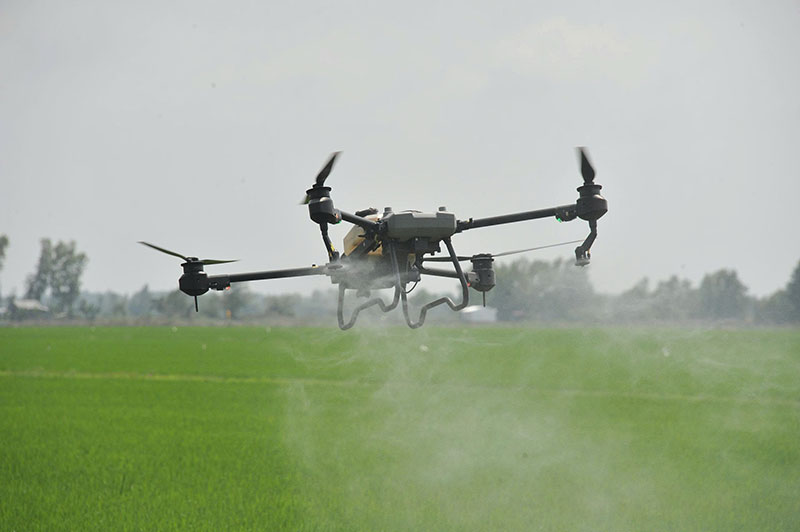
Drones for Crop Protection Increasingly Common in Vietnam’s Fields
According to Assoc. Prof. Dr. Le Van Vang, Rector of the College of Agriculture at Can Tho University, smart agriculture is built on the application of technologies such as artificial intelligence (AI), big data, the Internet of Things (IoT), global positioning systems (GPS), and remote sensing in production. Its core principle lies in integration, creating a farming system that is intelligent, highly efficient, and sustainable. Specifically, technologies such as Unmanned Aerial Vehicle (UAV, drone) for spraying, automated irrigation, and sensors help optimize the use of land, water, and fertilizers; reduce post-harvest losses; and significantly enhance both yield and quality. More importantly, they enable agriculture to adapt more flexibly and withstand the impacts of climate change.
A notable example of this trend is the “15-layer National Digital Twin” (NDT15) developed by CT Group. With 36 agricultural applications, the platform integrates AI, UAVs, IoT, and satellite imagery to monitor crop health and optimize irrigation and fertilization. This creates confidence among exporters, allowing them to secure early contracts on international trading platforms. Despite its potential, the adoption of smart agriculture in the Mekong Delta still faces major hurdles. The biggest challenge is the high upfront investment cost, requiring joint support from the government and businesses. In addition, the model demands a highly skilled technical workforce and robust technological infrastructure – something still difficult to achieve in the region, where small-scale and fragmented farming remains prevalent.
AI Quietly Reshaping Mekong Delta’s Rice Fields and Shrimp Ponds. In practice, AI is increasingly making its way into rice fields and shrimp farms across the Mekong Delta. AI-powered systems that diagnose rice and tomato leaf diseases through images, forecast water quality in shrimp ponds, and provide virtual assistants for farmers have already been deployed with tangible results. However, Assoc. Prof. Dr. Ma Truong Thanh of Can Tho University cautions that AI’s success does not lie solely in technology, but also in data integration, human resources, and policy frameworks. Key challenges include data quality, transparency, information security, and – crucially – blending advanced technologies with farmers’ indigenous knowledge.
Dr. Tran Ngoc Thach, Director of the Mekong Delta Rice Research Institute, underscores the need for a large and reliable database to enable AI to identify and monitor the quality of hundreds of rice varieties. He stresses the importance of a clear legal framework and concrete evidence of reliability before such models can be scaled up. In Can Tho City, the Delta’s regional hub, multiple high-tech farming models have already been put into practice – from drip irrigation systems powered by cloud computing, to automated spraying and irrigation controls in fruit orchards, and the installation of automatic hydro-meteorological monitoring stations. These solutions not only save water, cut costs, and reduce chemical use but also significantly improve crop management efficiency.
The technological revolution in agriculture in the Mekong Delta is no longer a distant prospect – it is happening every day. While challenges remain in terms of capital and skilled labor, the integration of advanced technologies with local knowledge – supported by government, businesses, and research institutions – promises to open a new chapter of sustainable and prosperous growth for Vietnam’s rice bowl.
________________________
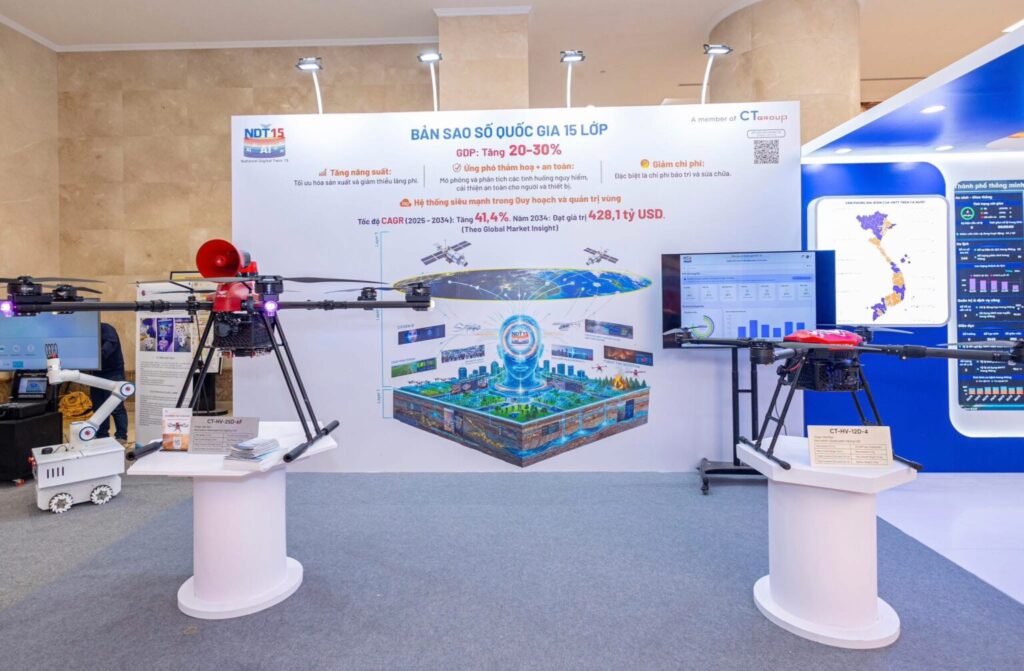
HIGHLIGHTS OF NDT 15 AND CT UAV’S TECHNOLOGY BOOTH AT THE THIRD NATIONAL FORUM ON DIGITAL ECONOMY AND SOCIETY DEVELOPMENT
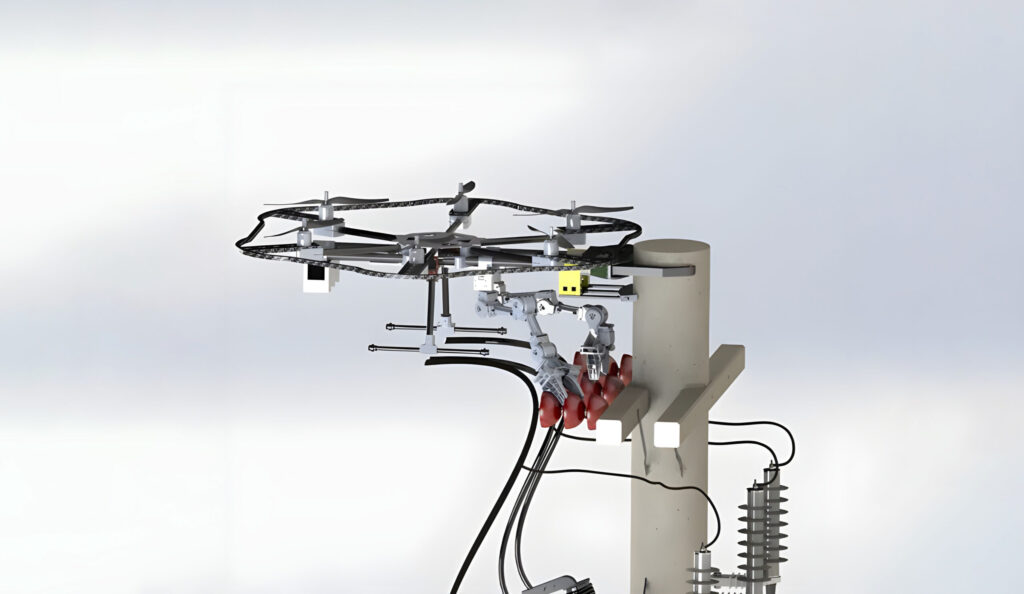
THE FOUNDATION OF FUNDAMENTAL SCIENCE “GERMINATES” NEW TECHNOLOGIES
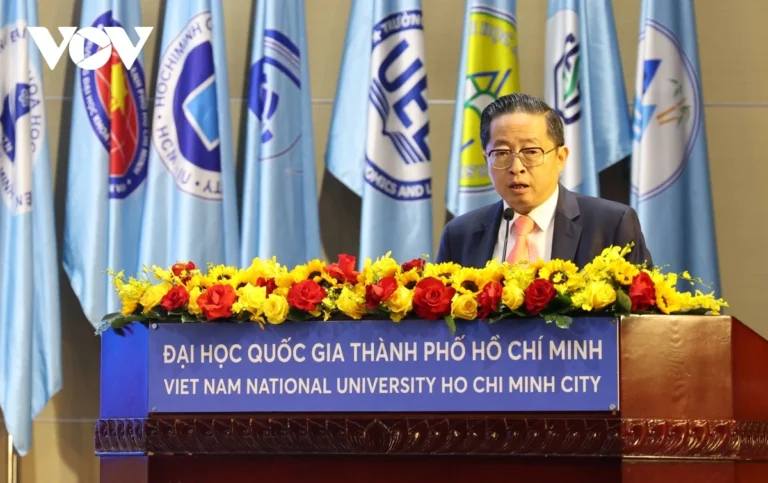
ENTERPRISE PROPOSES DEPLOYING VIETNAM’S FIRST QUANTUM COMPUTER FOR THE BIOTECHNOLOGY SECTOR
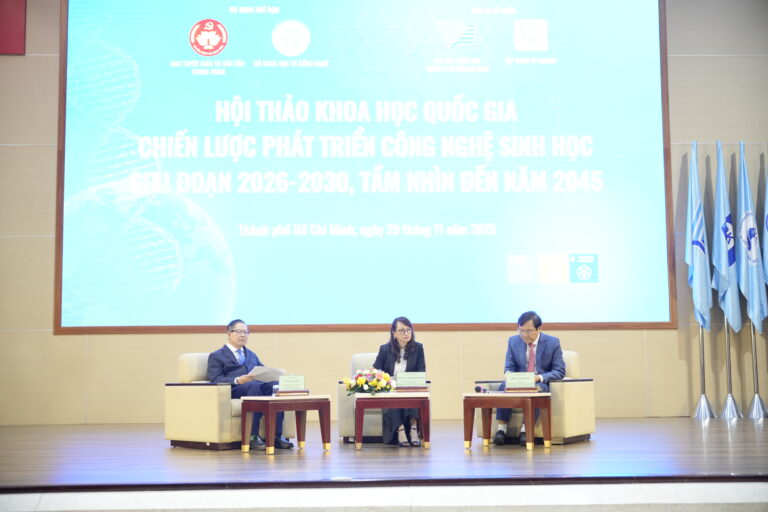
NATIONAL SCIENTIFIC CONFERENCE ON “BIOTECHNOLOGY DEVELOPMENT STRATEGY 2026–2030, VISION TO 2045”
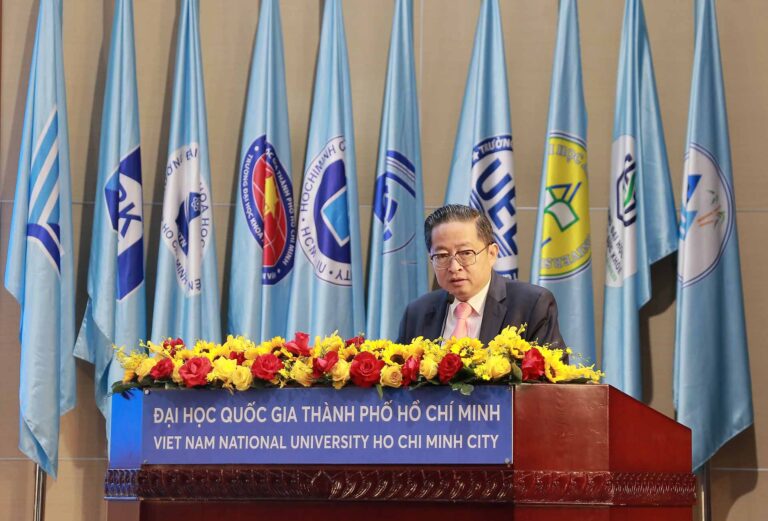
A SANDBOX IS NEEDED FOR VIETNAM’S BIOTECHNOLOGY SECTOR TO UNLOCK A BILLION-DOLLAR MARKET
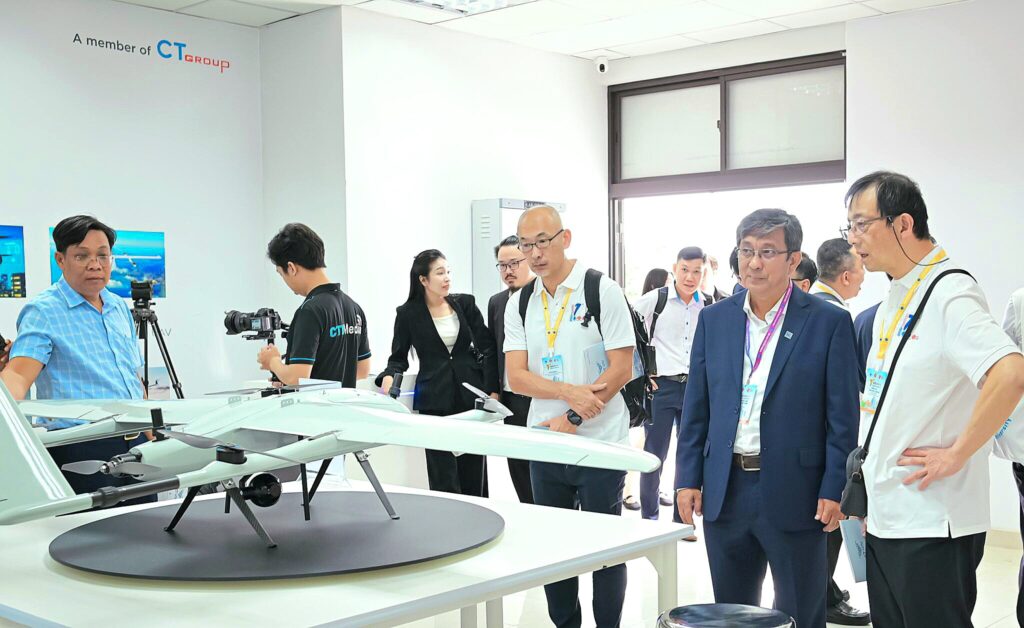
CT GROUP PRESENTS UAV & AGRICULTURAL ROBOT LAB TO CAN THO UNIVERSITY AS A SPECIAL TEACHERS’ DAY TRIBUTE